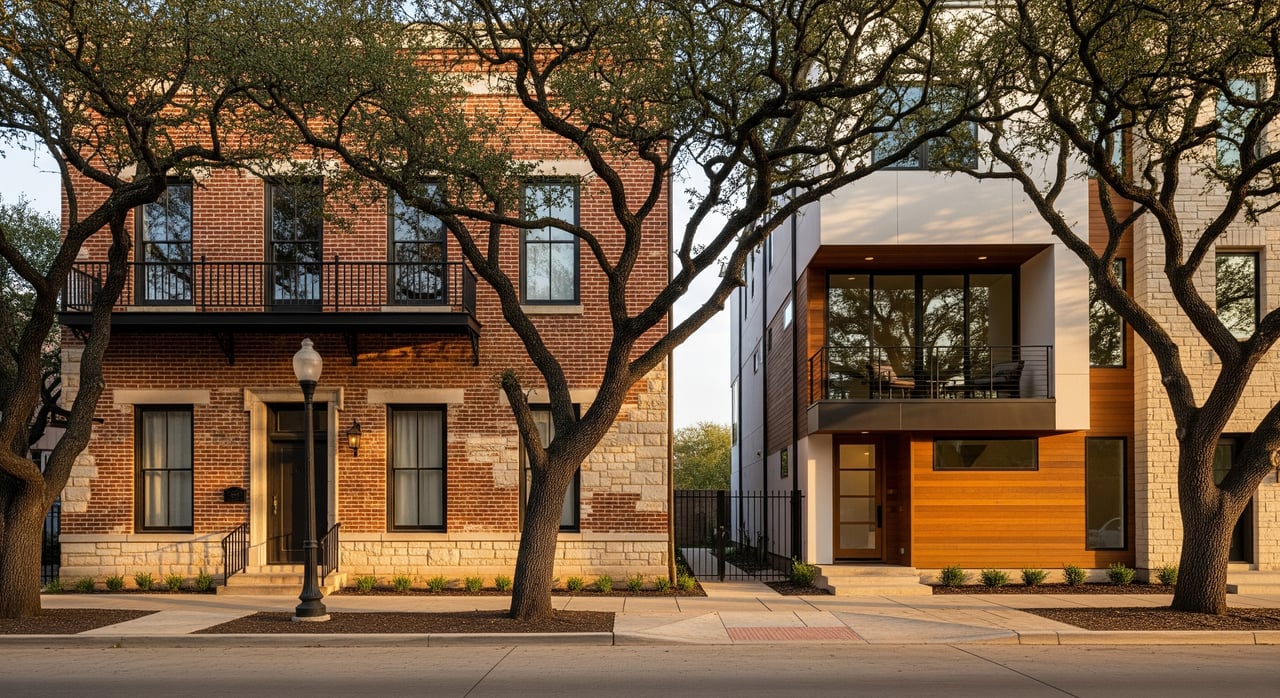
McKinney Historic vs. New Homes: How to Choose
January 1, 2026
January 1, 2026
Which feels more like home: a front porch shaded by mature oaks just steps from the square, or a brand-new floor plan with a sparkling community pool nearby? If you are deciding between McKinney’s historic downtown and a new-build community, the choice can feel big. You want a home that fits your lifestyle and budget without hidden surprises. This guide highlights the real tradeoffs so you can compare costs, rules, maintenance, commute, and resale potential. Let’s dive in.
Downtown homes near the square are valued for location, historic details, and walkability. New builds tend to command a premium for modern finishes, energy efficiency, and community amenities. Price per square foot varies by exact location, condition, and renovations. To compare apples to apples, pull recent comps from the local MLS and review tax history records for each property.
Tip: Avoid relying on static price charts you find online. McKinney inventory and pricing shift quickly by neighborhood and by property condition.
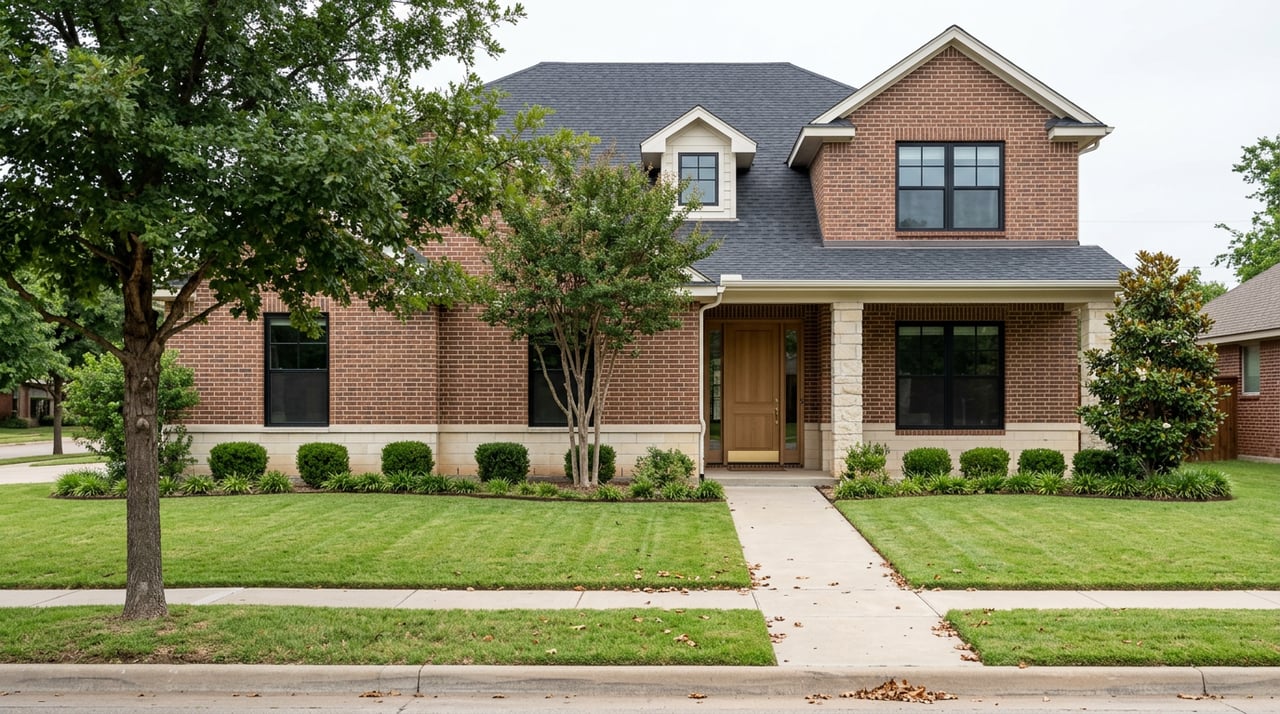
Historic homes around the square often feature Victorian, Craftsman, and early 20th-century bungalow styles. Expect front porches, period woodwork, and compartmentalized rooms that reflect the era. Lot sizes can be smaller with alley access and limited garage space in some areas.
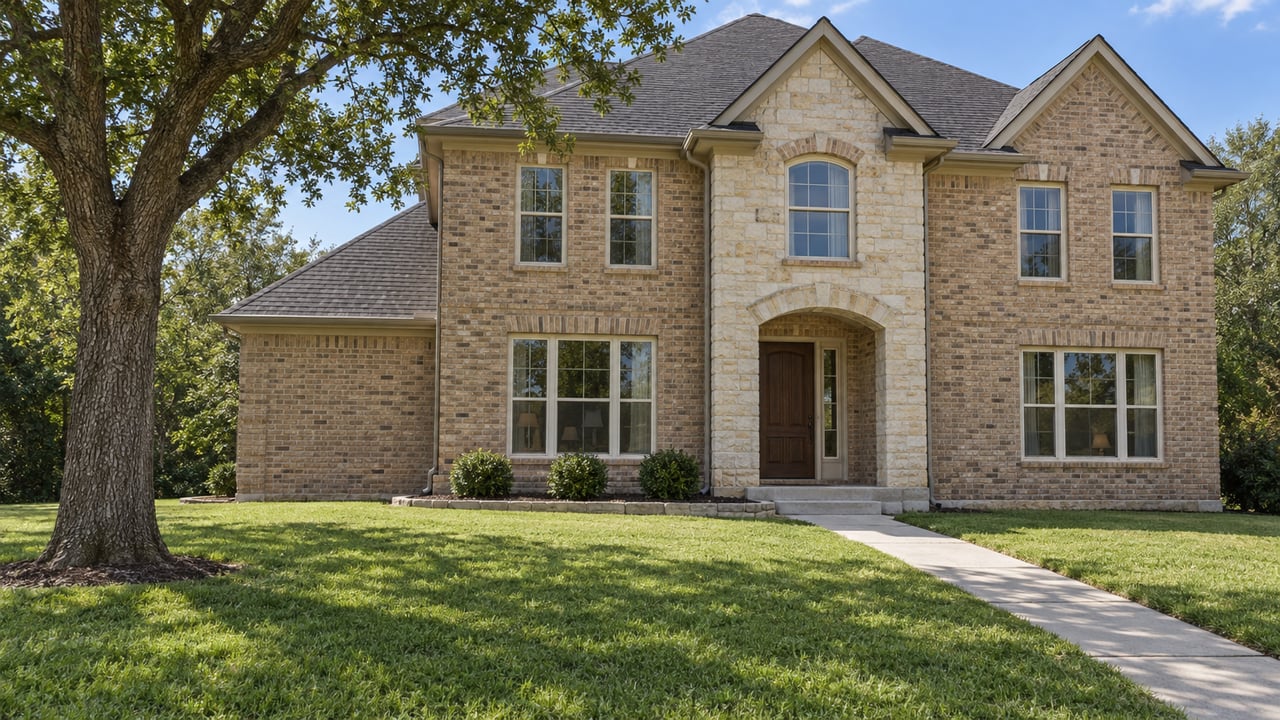
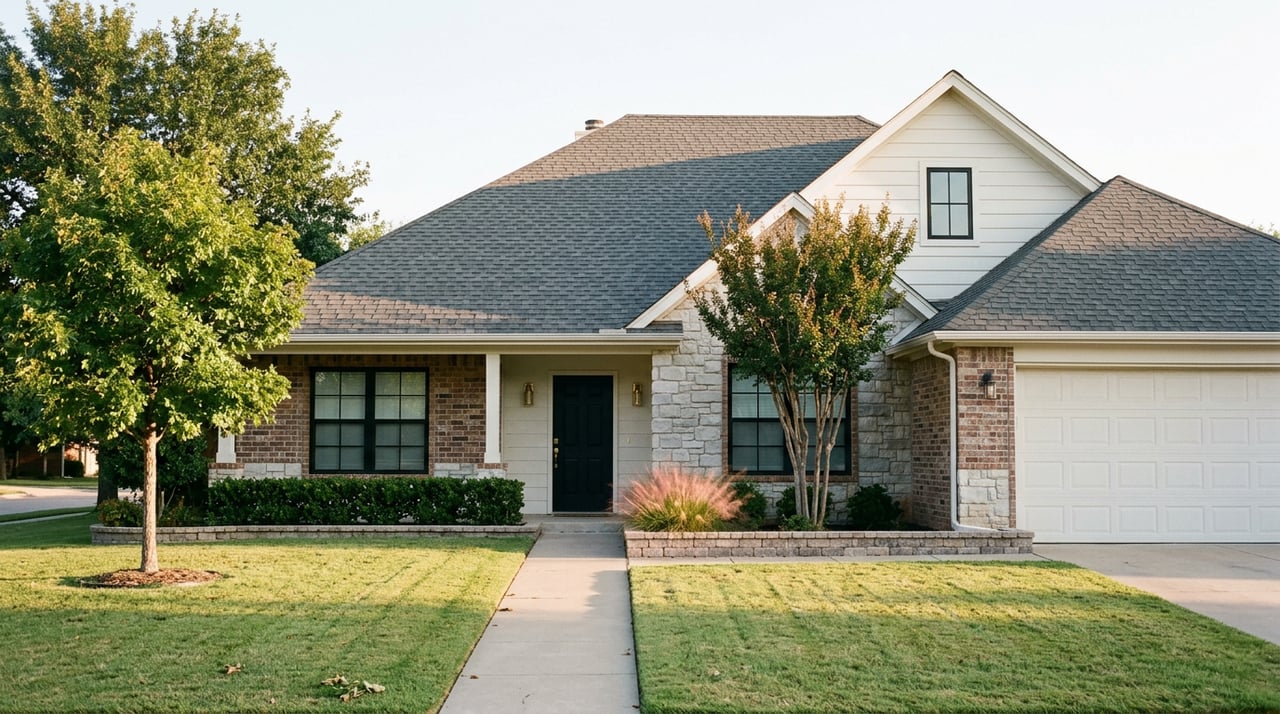
New builds typically offer open-concept layouts, larger primary suites, walk-in closets, and modern kitchens. Many come with 2–3 car garages and flexible spaces for offices or playrooms. Lot sizes vary by subdivision. Some master-planned communities offer generous yards, while closer-in infill can be more compact.
Older homes often carry near-term upkeep and renovation needs. Think roofing, foundation, plumbing, electrical updates, and possible lead-based paint or older wiring in pre-1980s structures. You may also need specialized contractors for period-correct repairs and finishes. If the home sits in a historic district, exterior changes could require additional review and permits.
New construction typically reduces immediate maintenance, and builder warranties offer a safety net for workmanship and structural issues for defined periods. That said, you will likely have HOA rules to follow. Always review what is covered under warranties and what falls to you.
Inspection tips:
Most new homes include improved insulation, efficient HVAC, double-pane windows, and energy-rated appliances, which can lower utility bills. Older homes vary widely depending on prior upgrades. Retrofitting insulation, windows, or HVAC can close the gap but comes with upfront costs. To understand potential savings and features, review builder efficiency specs and consult neutral guidance from ENERGY STAR.
If a property is in a designated historic district, exterior changes may require a design review and specific materials. This process protects neighborhood character, but it can add steps and costs to your renovation timeline. Start with the City’s guidelines and confirm requirements with staff before planning work. The City of McKinney’s planning and historic resources are a good first stop, and the Texas Historical Commission offers state-level guidance on preservation and historic designation.
New-build neighborhoods will have city building codes, subdivision covenants, and HOA rules. Ask for the covenants, conditions, and restrictions (CCRs), design standards, and any architectural review procedures. If your community is still building out, ask about future phases and completion timelines.
Most loan types apply to both property types. Older homes in poor condition may face appraisal or lender-required repairs. Appraisers often rely on nearby historic comps rather than new-build neighborhoods, so valuation can be nuanced.
Insurance for older homes can be higher if systems are outdated or if specific materials raise replacement costs. Always request quotes early in the process. Also verify flood zone status and any prior water events. Use the FEMA Flood Map Service Center to review floodplain information.
Historic downtown offers high walkability to restaurants, boutiques, and cultural events. New communities often provide pools, trails, playgrounds, and planned programming. School boundaries matter for many buyers. To confirm which schools serve a specific address and to review official updates, visit McKinney ISD.
Commutes depend on your job location. Downtown is near local services, while outer subdivisions may provide more direct access to regional routes like US-75 or US-380. Always test-drive your routes at the times you expect to travel.
Renovated historic homes often appeal to buyers seeking character and walkability near Main Street. The buyer pool can be passionate and focused, which supports resale if the property is well maintained and updated with respect for its era.
New builds attract buyers who want turnkey convenience, modern layouts, and community amenities. Warranties, energy features, and move-in readiness can help on the resale side, especially if the home shows well and the community is still in demand. In both cases, condition and presentation drive outcomes. Strategic upgrades and polished staging will set your home apart, no matter the age.
Whether your heart is set on the square or you are drawn to a fresh floor plan, the right guidance makes the decision easier. If you want help comparing total costs, verifying rules, and building a smart offer or listing plan, reach out. Asha Rani offers boutique, high-touch service backed by Coldwell Banker’s marketing power to help you move forward with confidence.

Lead Real Estate Agent
Asha Rani, a Coldwell Banker real estate agent with over eight years of experience, is committed to providing a seamless buying and selling experience. With a background in retail, customer service, and IT, she stays ahead of market trends to guide clients with expertise. Her dedication has earned her top industry awards, including the Luxury Agent Award (2022) and International Diamond Society Award (2023). Fluent in English and Hindi, Asha prioritizes strong client relationships and ensures every transaction is smooth and stress-free.
Stay up to date on the latest real estate trends.



You can trust that Asha will be there to listen to your dreams and desires, to be a calming force through the process of buying or selling, and to ensure the journey from contract to close is as smooth and pleasurable an experience as possible.