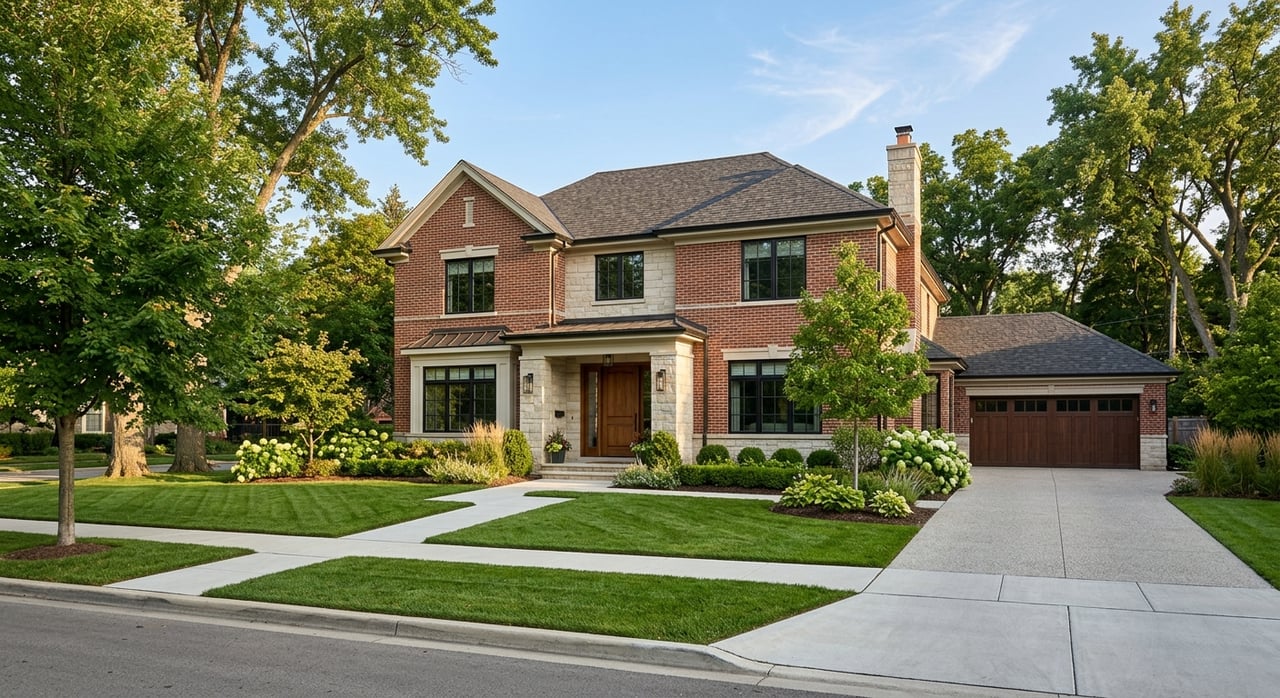
How Lake Proximity Affects Home Values In Little Elm
May 28, 2026
May 28, 2026
Wondering whether being near Lewisville Lake really boosts a home’s value in Little Elm? The short answer is yes, but not in one simple, citywide way. If you are buying, selling, or pricing a home here, it helps to understand how lake views, access, trails, and flood-related factors can all shape value differently from one property to the next. Let’s dive in.
Little Elm has a strong connection to Lewisville Lake. According to the town, more than 66 miles of its incorporated limits sit on the lake’s shoreline, and the community highlights destinations like The Lakefront™, The Cove™, and The Rec™ as part of its identity. Lewisville Lake itself is a major reservoir, and the Texas Water Development Board reports that at the top of the flood-control pool it covers 39,170 acres.
That kind of setting matters in real estate because buyers do not just shop for square footage. They also respond to scenery, recreation, convenience, and overall lifestyle. In Little Elm, being close to the lake can influence all of those factors, which is why certain homes may command more attention and, in some cases, a higher price.
One of the biggest myths in waterfront real estate is that every home near the water gets the same bump in value. Research cited in the report shows the opposite. Lakefront location, distance to the lake, and scenic view all matter, but the premium tends to drop as you move farther away.
That means two homes in Little Elm can both be described as “near the lake” and still perform very differently in the market. A home with direct frontage or a strong primary water view may attract a different level of buyer demand than an interior home with no meaningful view at all.
View quality is often one of the biggest drivers of value. The research shows a clear hierarchy, with higher-quality water views typically earning the strongest premiums. A full or primary lake view usually carries more weight than a partial, seasonal, or distant glimpse.
This is where lot orientation and home placement come into play. Appraisal guidance separates view from site influence, which means the way a home sits on the lot can affect whether the lake is a central visual feature or just a minor background element.
Homes that are actually lake-adjacent often stand apart from homes that are simply located somewhere in a lake-area neighborhood. Research on waterfront housing found that waterfront homes can command a premium for private access, while the recreation and aesthetic benefits tend to fade with distance.
In practical terms, buyers usually pay more for immediate connection to the lake experience than for a general mailing address near the lake. If you are selling, this is why it is important to define the property’s actual relationship to the shoreline instead of relying on broad marketing language.
Little Elm’s amenity network adds another layer to value. The town’s tourism information highlights the roughly four-mile Lakefront Trail, along with Harts Branch Trail and Johnny Broyles Nature Trail. Little Elm Park also offers a large public swim beach, lake-view volleyball, and hiking and biking trails.
Broader research suggests that proximity to trails and greenbelts can support modest premiums. In Little Elm, that means value may come not just from the water itself, but also from how easily you can enjoy the outdoor amenities around it.
Some neighborhoods near the lake may benefit from HOA amenities and upkeep, especially when those features improve daily use and neighborhood consistency. Research in the report found that homes in HOAs sold at about a 5% premium versus similar non-HOA homes, although that premium was not constant and tended to decline over time.
The key point is that HOA value is not automatic. Buyers may respond positively when the community offers useful amenities, maintenance standards, and recreation that complement the lake lifestyle, but the HOA label alone does not guarantee a higher price.
Close proximity to the lake can also introduce added due diligence. Little Elm’s stormwater utility exists in part to protect private property, Lake Lewisville, and the environment from flooding, creek erosion, and pollution. FEMA guidance also notes that flood maps do not necessarily identify every flooding source, especially from smaller local drainage sources.
For buyers, this means you should look beyond the view. Elevation, drainage patterns, flood exposure, and insurance considerations can all affect long-term cost and marketability.
Not every near-lake home has the kind of view that drives buyer competition. Research summarized in the report shows that interior parcels without meaningful lake views do not receive the same uplift as homes with stronger lake impact. Even within the same general area, value can vary sharply depending on sight lines and obstruction.
This matters because buyers often notice the difference quickly. A home that looks toward rooftops, trees, or future obstruction may compete in a different price band than one with a broad, open water view.
Lake-influenced homes can be harder to price because truly similar sales may be limited. The report notes that the most persuasive comparisons are usually within the same micro-market and should reflect similar view quality, lot orientation, flood exposure, and amenity package.
That is why pricing a Little Elm home near the lake often requires more nuance than applying a simple percentage adjustment. If the available comps are not closely aligned, pricing can become more subjective and more sensitive to buyer perception.
Appraisers do not apply a blanket “lake premium” across all of Little Elm. Instead, they use the sales comparison approach and adjust for meaningful differences such as location, physical characteristics, date of sale, and other factors supported by market data.
For lake-influenced properties, those adjustments may include:
This is an important point for both buyers and sellers. In Little Elm, lake influence is usually translated into property-specific adjustments, not broad assumptions.
If you are shopping for a home near Lewisville Lake, it helps to define what “near the lake” means to you before you start comparing prices. Some buyers want a strong water view. Others care more about quick access to trails, parks, or Little Elm Park.
As you evaluate homes, pay attention to:
A home can be close to the lake and still offer very different value than another home just a few streets away. Clear priorities will help you compare options more accurately.
If you are selling a home near the lake in Little Elm, your pricing and presentation strategy should focus on the exact features buyers can see and use. A strong lake-facing orientation, access to trails, or proximity to Little Elm Park may support demand, but the details matter.
It also helps to avoid overreaching. Buyers and appraisers usually respond best to specific, supportable value drivers such as view corridor, adjacency, and amenity access rather than generic claims about being in a lake area.
For many sellers, the best approach includes:
That kind of pricing discipline can protect credibility and help your listing stand out for the right reasons.
In a town as tied to Lewisville Lake as Little Elm, micro-location can matter as much as neighborhood name. Two homes may share the same broad area but differ in view quality, trail access, orientation, and exposure to water-related risks.
This is one reason local, property-level analysis matters so much. When you look closely, the real question is not just whether a home is near the lake. It is how the lake shows up in the daily living experience and in the market data.
If you want help understanding how lake proximity may affect a specific Little Elm property, Asha Rani can help you evaluate the details with a calm, data-informed approach.

Lead Real Estate Agent
Asha Rani, a Coldwell Banker real estate agent with over eight years of experience, is committed to providing a seamless buying and selling experience. With a background in retail, customer service, and IT, she stays ahead of market trends to guide clients with expertise. Her dedication has earned her top industry awards, including the Luxury Agent Award (2022) and International Diamond Society Award (2023). Fluent in English and Hindi, Asha prioritizes strong client relationships and ensures every transaction is smooth and stress-free.
Stay up to date on the latest real estate trends.

You can trust that Asha will be there to listen to your dreams and desires, to be a calming force through the process of buying or selling, and to ensure the journey from contract to close is as smooth and pleasurable an experience as possible.