From Starter To Forever Home: Allen Move‑Up Buyer Guide
June 25, 2026
June 25, 2026
Thinking about trading your starter home for something that fits your life better now? If you live in Allen, you are not alone. Many homeowners reach a point where they need more space, a different layout, or a home that feels like a longer-term fit, and the good news is that Allen’s market still gives prepared move-up buyers real opportunities. This guide will help you understand your equity, timing options, local costs, and what to watch for as you move from one home to the next. Let’s dive in.
Allen is a strong market for homeowners who are ready for the next step. The U.S. Census Bureau estimates Allen’s population at 113,447 as of July 1, 2025, with 69.4% owner-occupied housing, 37,243 households, and 85.9% of residents living in the same home one year earlier. That points to a stable homeowner base, which often supports steady demand for well-kept resale homes.
Home values also give useful context for move-up planning. Census data places the median value of owner-occupied homes in Allen at $464,100, while Redfin reported a median sale price of $499,451 in May 2026. Compared with the Texas statewide median sale price of $343,779 in the same month, Allen sits at a higher price point, which is important when you are setting your next-home budget.
This is also not a market where you can assume every home will sit for months. Redfin’s May 2026 data show homes selling in about 35 days, a 98.5% sale-to-list ratio, and 19.8% of homes selling above list price. In plain terms, Allen is active enough that preparation matters.
Before you tour homes, get clear on what your current house can realistically contribute to the move. The Consumer Financial Protection Bureau defines home equity as your home’s value minus what you still owe on your mortgage. That equity may help cover your next down payment, closing costs, moving expenses, and any short-term overlap between homes.
The simplest way to estimate your move-up position is to compare three numbers:
What is left after those items is the amount you may be able to put toward your next purchase. This is one of the most important planning steps because it affects everything from your financing strategy to whether you need a home-sale contingency.
Even with solid equity, your monthly payment on the next home may feel different than you expect. Freddie Mac reported the national average 30-year fixed mortgage rate at 6.47% as of June 18, 2026. A higher rate can reduce buying power, even when you are bringing meaningful equity from your current home.
That is why move-up planning should focus on monthly comfort, not just maximum approval. You may be able to afford more home on paper, but the right target is a payment that still leaves room for savings, maintenance, and everyday life. In Allen’s price range, small rate changes can have a noticeable effect.
One of the biggest questions move-up buyers ask is simple: should you sell first or buy first? The answer depends on your cash position, your risk tolerance, and how flexible your timeline is. In Allen, there is no one-size-fits-all solution.
Selling first can reduce financial stress because you know your proceeds before you buy. It also lowers the risk of carrying two mortgage payments at once. For many households, this is the most comfortable option.
The tradeoff is timing. You may need temporary housing or a short-term plan if your current home closes before your next one is ready. That gap can be manageable, but it should be planned early.
Buying first can make sense when the type of home you want is hard to find. If the right move-up property appears, acting first may help you secure it without rushing your current home sale. This option usually works best when you have strong cash reserves or financing flexibility.
The downside is added carrying risk. If your current home takes longer to sell than expected, you may be responsible for two housing payments for a period of time.
Some buyers choose to line up both transactions as closely as possible. According to the National Association of Realtors consumer guidance, contract tools can include financing, appraisal, inspection, home-sale, home-close, title, homeowners insurance, HOA review, continue-to-show, kick-out, and rent-back provisions.
This approach can help bridge the gap between selling and buying, but it depends on clean execution and realistic deadlines. In Allen, a contingent offer is generally easier to justify when your current home is already listed or under contract. That is not a guarantee, but local market data support the idea that a well-prepared buyer has a stronger case.
Yes, in principle, you can. A contingency is a condition that must be met before a purchase can be completed. NAR also notes that if contingencies are not met within the specified time, the parties can cancel without penalty if they are acting in good faith.
In Allen, sellers may be more open to a contingent buyer when they can see a clear path to closing. That usually means your financing is in place, your current home is priced appropriately, and your timeline is realistic. Since Allen homes are selling in about 35 days on average and some are still receiving multiple offers, strong preparation matters more than perfect market timing.
Allen gives move-up buyers a mix of established homes and newer housing options. The city’s long-range planning points to a balance of buildout, redevelopment, preservation of existing housing stock, and access to parks, open space, and city services. For you, that means the right choice may come down to lifestyle and timing more than category alone.
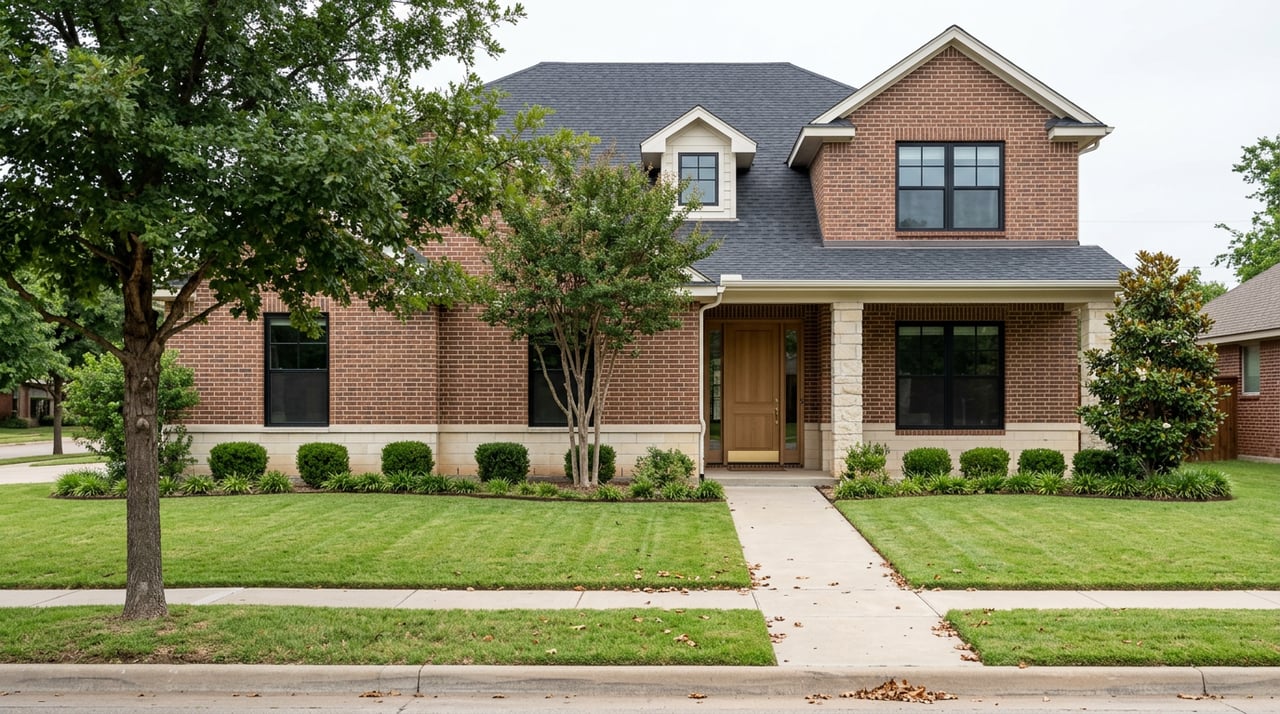
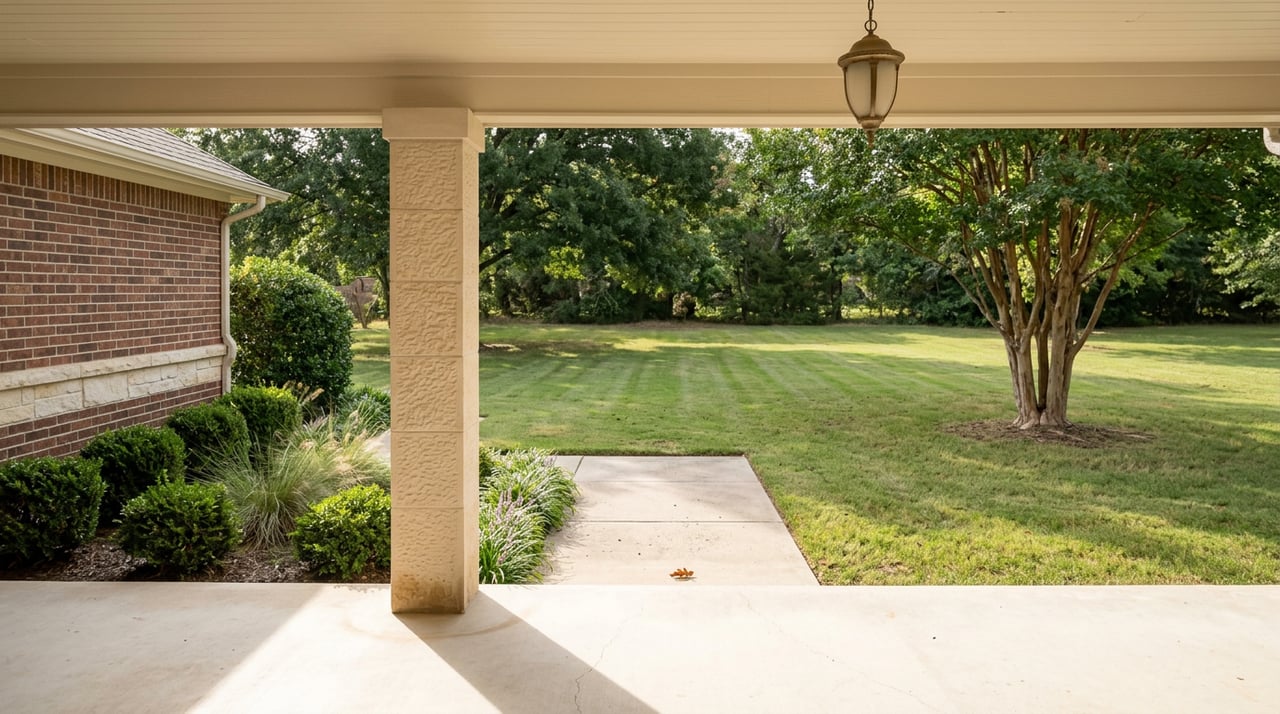
Resale homes may offer features that are harder to replicate in newer areas. Think mature trees, more established streetscapes, larger lots, and immediate occupancy. If you want to move on a tighter timeline, resale may provide more certainty.
You can also evaluate the home and surrounding area as it exists today. That can make decision-making feel more concrete when you are comparing options.
New construction may appeal if you want modern layouts, newer systems, and builder warranties. These homes can offer the open design and functionality that many move-up buyers want. If your timeline is flexible, a new build may give you a way to get closer to your wish list.
Still, newer homes can bring more moving parts. Completion dates may shift, and final tax amounts or HOA details may not be as settled early on. Those factors are worth reviewing carefully before you commit.
Taxes are a major part of the move-up math in Texas. The Texas Comptroller states that Texas has no state property tax, and local taxing units set and collect property taxes. For residence homesteads, school districts must provide a $140,000 exemption, and applications are generally filed before May 1 with the county appraisal district.
The Texas Comptroller also notes that applicants must state they do not claim another residence homestead in or outside Texas. If you are selling one home and buying another, this is worth planning early so your tax paperwork stays clean and your carrying-cost estimates stay realistic.
Collin CAD adds another timing layer. For 2026, notices of appraised value for real property were mailed April 15, and the protest deadline for real property was May 15, 2026. If you are moving during spring, those dates can affect how you think about net proceeds, tax planning, and your next-home budget.
If school assignment is part of your search, confirm it by exact address before you move forward. Allen ISD assigns campuses by address and serves grades K-6, 7-8, 9, and 10-12 in its campus structure. The district also notes that some apartment complexes can fall into different districts, including Allen ISD and Frisco ISD.
The key takeaway is simple: neighborhood name alone is not enough. When you are choosing between a resale home and a new-build location, address-level verification matters.
If you want to make the move feel less overwhelming, follow a clear sequence. The goal is to reduce surprises and give yourself better choices when the right home appears.
Start with your likely sale price, subtract your mortgage payoff, and account for selling and moving costs. This gives you a working equity estimate. From there, you can test whether you have enough for your next down payment and closing costs.
Build your budget around today’s rate environment and your monthly comfort level. Do not focus only on purchase price. Property taxes, insurance, HOA dues if applicable, and maintenance all affect the real monthly number.
Decide whether you want to sell first, buy first, or synchronize both sides with contingencies and timing tools. Your best choice depends on your finances and how limited your target inventory feels. In Allen, planning ahead usually matters more than trying to predict the perfect week to act.
Compare resale and new construction based on your priorities. If you value mature lots and quicker move-in, resale may stand out. If you prefer newer systems and updated layouts, new construction may be worth the longer timeline.
Before you make a final decision, verify practical items tied to the exact property. That includes school assignment, HOA review if applicable, tax expectations, and the timing details that could affect closing.
Moving up in Allen can be a smart next step when you approach it with a plan. If you want calm guidance on pricing, timing, and what your next move could realistically look like in today’s market, Asha Rani is here to help.

Lead Real Estate Agent
Asha Rani, a Coldwell Banker real estate agent with over eight years of experience, is committed to providing a seamless buying and selling experience. With a background in retail, customer service, and IT, she stays ahead of market trends to guide clients with expertise. Her dedication has earned her top industry awards, including the Luxury Agent Award (2022) and International Diamond Society Award (2023). Fluent in English and Hindi, Asha prioritizes strong client relationships and ensures every transaction is smooth and stress-free.
Stay up to date on the latest real estate trends.







You can trust that Asha will be there to listen to your dreams and desires, to be a calming force through the process of buying or selling, and to ensure the journey from contract to close is as smooth and pleasurable an experience as possible.