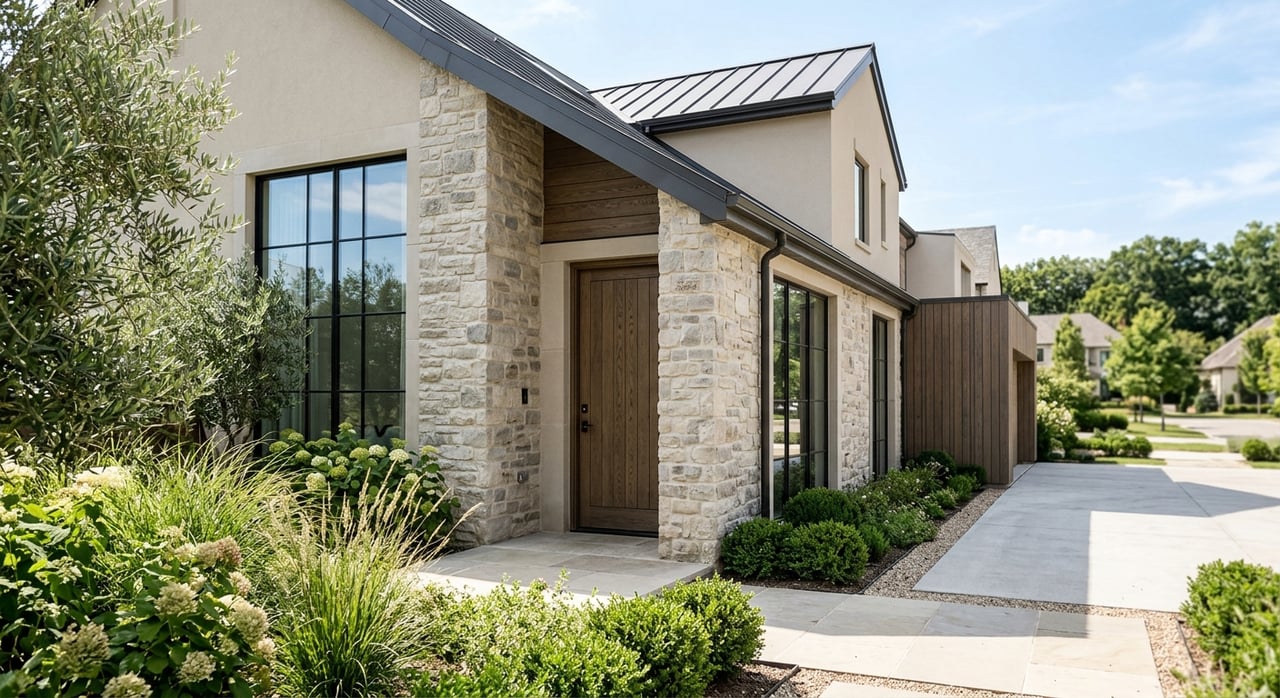
Is New Construction In Prosper A Smart Long‑Term Investment?
July 9, 2026
July 9, 2026
If you are weighing a new construction home in Prosper, you are probably asking a bigger question than just Do I like this floor plan? You want to know whether paying a premium today can make sense years from now in a fast-growing North Texas market. The good news is that Prosper offers real long-term appeal, but the smartest answer depends on your timeline, your carrying costs, and how carefully you compare builders, neighborhoods, and resale options. Let’s dive in.
Prosper is still in a strong growth phase, not a fully built-out suburb. The Town of Prosper reports a population of 49,355 as of January 1, 2026, up from 30,174 in the 2020 Census. That kind of growth matters because it shows the market is still expanding rather than leveling off.
You can also see that growth in local infrastructure and schools. Prosper ISD shows 33,952 enrolled students and a 6.37% growth rate, while the town says it is accelerating road improvements and water utility upgrades to keep pace with expansion. For long-term buyers, that points to an area still adding residents, services, and housing demand.
Prosper’s development pipeline also remains active. The town issued 623 single-family residential permits in 2025 and reported 170 lots under construction or shovel-ready in early 2026. Prosper ISD also expects significant campus growth at buildout, which reinforces the idea that Prosper is still evolving.
New construction often attracts buyers who want a more predictable ownership experience in the first few years. A newer home may offer modern layouts, updated building standards, and energy efficiency features that can affect utility and insurance costs. That does not guarantee lower total ownership costs, but it can reduce some of the surprises that come with older homes.
For many buyers, the biggest draw is fewer immediate repair needs. If you are planning to stay put for several years, that can make a real difference in how manageable homeownership feels. Instead of budgeting right away for an aging roof, outdated systems, or major cosmetic updates, you may be able to focus on settling in and building a longer-term plan.
New construction can also align well with the type of housing many buyers want in Prosper. In a town known for larger single-family homes and master-planned communities, newer inventory often offers the size, layout, and amenities buyers are actively seeking. That lifestyle fit can matter just as much as the investment side.
Even in a high-demand town, buying new does not guarantee quick gains. Prosper is an expensive market by North Texas standards, with Census QuickFacts placing the median value of owner-occupied homes at $823,700 for 2020 through 2024. Recent market trackers show similar pricing, including a median sale price of $869,480 in May 2026 and a median listing price of $850,000.
At the same time, the broader Dallas-Fort Worth market is cooler than it was during the peak frenzy years. Texas A&M’s Texas Housing Insight reported 29,375 active listings and 3.9 months of supply in DFW in February 2026, along with nine straight months of statewide home price declines. The report also said rising inventory is likely to keep near-term downward pressure on prices.
That matters because long-term investing and short-term expectations are not the same thing. A new construction home in Prosper may still make sense if you plan to hold it for years, but it may be less compelling if you expect immediate equity or rapid appreciation right after closing.
One of the biggest risks with new construction in a growing suburb is future competition. If your neighborhood still has multiple phases coming, your resale may compete with newer builder inventory down the road. In some cases, later phases can make your home feel less scarce when you are ready to sell.
That does not mean you should avoid new construction. It means you should pay close attention to neighborhood maturity, lot quality, and the long-term appeal of your specific home. A premium lot, a strong floor plan, and a section of the community closer to full buildout may hold up differently than a home in an early phase with many similar releases still ahead.
In Prosper, this is especially relevant because the town’s permit activity shows continued supply in the pipeline. A smart long-term purchase is not just about buying something new. It is about buying something that will still stand out when it is no longer the newest option.
If you want to judge whether new construction is a smart investment, you need to look beyond the purchase price. Property taxes are a major part of long-term affordability in Prosper. For 2025 through 2026, the Town of Prosper adopted a property tax rate of $0.505 per $100 of taxable value, Collin County adopted $0.149343, and Prosper ISD adopted a total tax rate of $1.2141.
Your actual tax bill can vary by subdivision. Some neighborhoods may include MUDs, WCIDs, or other special districts, which can raise the total carrying cost. That is why two homes with similar prices can have meaningfully different monthly ownership costs.
For owner-occupants, Texas homestead rules can make a big difference over time. The Texas Comptroller says school districts must provide a $140,000 residence homestead exemption, and local taxing units may adopt an additional local-option homestead exemption of up to 20% of appraised value. Once the exemption is in place, the homestead appraisal cap generally limits annual appraised-value growth to 10%, effective January 1 of the tax year after qualification.
That does not erase high taxes, but it can improve long-term predictability. Collin Central Appraisal District also says homestead applications are generally one-time unless reapplication is requested. If you are buying a new build as your primary residence, this is one of the most important steps to remember after closing.
In many Prosper communities, HOA membership is part of the ownership experience. That can support neighborhood amenities and community standards, but it also adds recurring cost and paperwork. If you are comparing investment value, HOA dues and transfer-related charges belong in your budget from day one.
Texas Real Estate Commission forms for property subject to mandatory HOA membership make clear that buyers should receive subdivision information that includes restrictions, bylaws, rules, and a resale certificate. Those materials can also reveal fees, reserves, and other charges tied to the transfer. In practical terms, that means you should evaluate HOA obligations just as carefully as the floor plan or design package.
Builder incentives can make a new construction deal look stronger than it really is. In today’s market, builders are often using rate buydowns and closing-cost credits instead of cutting the base price. That can help with short-term affordability, but it does not always improve long-term value.
The better approach is to compare the full picture. Look at the base price, lot premium, upgrade package, APR, monthly payment after any buydown expires, and how the finished home compares with nearby resale comps. A large incentive can be helpful, but only if the total deal still makes sense after the promotional period ends.
It is also worth remembering that you do not have to use the builder’s affiliated lender. The CFPB notes that buyers can shop lenders and should ask under what conditions a builder deposit is refundable. That gives you room to compare financing instead of assuming the builder’s preferred path is automatically best.
A new-home warranty is a real benefit, but it is not the same as a risk-free purchase. The FTC says most new-home warranties do not cover moving-out costs if repairs are needed. They also usually do not cover household appliances, small cracks, or items already covered by manufacturer warranties.
That is why inspections still matter. Even if you are buying from a reputable builder, a new home can still have issues that affect your ownership experience or future maintenance. Warranties can reduce some early repair exposure, but they should not replace due diligence.
A resale home can sometimes be the smarter buy in the current Prosper market. Realtor.com reported 673 active listings, 45 days on market, and a 96% sale-to-list ratio, while regional data points to rising supply and softer pricing pressure. In that kind of environment, motivated sellers may offer more negotiating room than builders.
That can create opportunities, especially if a resale home is already updated and located in a more mature section of a neighborhood. You may get a better lot, established surroundings, or a lower all-in cost than you would with a comparable new build. For some buyers, that value gap matters more than having a brand-new home.
Still, resale does not automatically win either. If a new construction home gives you the right layout, manageable carrying costs, and a location with lasting appeal, it can still be the better long-term fit. The key is comparing both paths with a calm, numbers-first mindset.
New construction in Prosper can be a smart long-term investment if your goals match the market. It tends to make the most sense when you plan to hold the property for several years, want a modern home with fewer immediate repair needs, and are comfortable with the tax and HOA structure.
It can be especially compelling if you are selective about the lot, the builder, and the neighborhood’s stage of development. A thoughtful purchase in a strong location may age better than a rushed decision based mostly on incentives or model-home appeal. In a town with continuing growth, details matter.
It tends to be less compelling if you need immediate equity, are stretching your monthly budget, or are paying a large premium for upgrades that may not translate well into resale value. In today’s inventory environment, buying new simply because it is new is not enough.
So, is new construction in Prosper a smart long-term investment? It can be, especially if you are buying for a longer hold period in a town that is still growing, building infrastructure, and expanding its housing base. But smart investing here is less about chasing quick appreciation and more about choosing the right home, in the right phase, with a clear understanding of taxes, HOA obligations, future supply, and true monthly cost.
If you want help comparing new construction against resale options in Prosper, working through the numbers with a local guide can save you from expensive assumptions. For personalized advice on neighborhoods, pricing, and long-term fit, connect with Asha Rani.

Lead Real Estate Agent
Asha Rani, a Coldwell Banker real estate agent with over eight years of experience, is committed to providing a seamless buying and selling experience. With a background in retail, customer service, and IT, she stays ahead of market trends to guide clients with expertise. Her dedication has earned her top industry awards, including the Luxury Agent Award (2022) and International Diamond Society Award (2023). Fluent in English and Hindi, Asha prioritizes strong client relationships and ensures every transaction is smooth and stress-free.
Stay up to date on the latest real estate trends.




You can trust that Asha will be there to listen to your dreams and desires, to be a calming force through the process of buying or selling, and to ensure the journey from contract to close is as smooth and pleasurable an experience as possible.