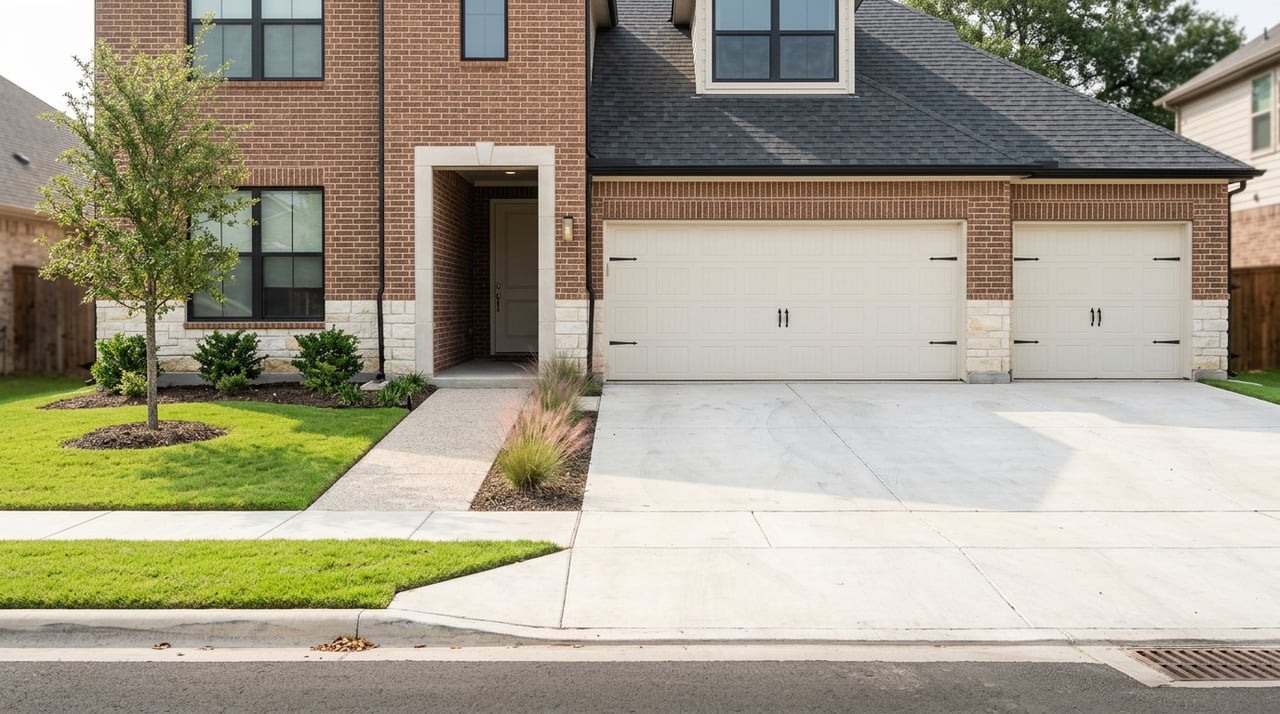
How To Compare New Construction Communities In Prosper
March 24, 2026
March 24, 2026
Trying to choose between new construction communities in Prosper can feel exciting and overwhelming at the same time. You want the right builder, a floor plan that fits, and amenities that match your lifestyle without surprises on fees or timelines. In this guide, you’ll learn a clear, side-by-side way to compare neighborhoods so you can move forward with confidence. Let’s dive in.
Prosper’s estimated population was 44,503 on July 1, 2024, reflecting rapid growth and new-home activity across the town. You will see active building, new amenities, and steady demand shaping today’s choices. You can confirm the latest figures in U.S. Census QuickFacts for Prosper.
Prosper ISD has also been expanding, with recent communications noting enrollment above 30,000 students and new campuses opening. School boundaries can differ by specific address, so verify the assigned campus for any lot directly with the district. Growth brings options, but it also means timing for roads, schools, and amenities matters.
Prosper features both large master-planned communities and smaller builder enclaves. As one example of an amenity-rich master plan, Windsong Ranch showcases resort-style programming, including a man-made lagoon, pools, trails, and courts, with different sections offering varied lot widths and builders. Use community amenity lists like this to understand what is finished now versus planned for later.
Not all builders operate the same. Look at years in the market, number of completed homes locally, and model-home quality. Ask to see finished homes in the area and talk with owners when possible about service responsiveness.
Understand the warranty. Many builders follow a common pattern of roughly 1 year for workmanship, 2 years for major systems, and up to 10 years for structural coverage, but terms vary by builder and provider. Ask who backs the warranty, whether it is third party, and how to submit and track claims. For background on typical coverage structures, see this warranty overview.
Compare the type and scale of amenities. Look for pools, fitness centers, trails, clubhouses, courts, or programmed events, and note whether amenities are neighborhood-only or community-wide. Ask what is completed today and what is still planned, with estimated opening dates.
Understand who pays. In Texas, many master-planned communities use instruments such as Municipal Utility Districts or Public Improvement Districts to fund infrastructure and, in some cases, amenities. These assessments often appear on your annual property tax bill. Confirm whether your lot sits inside a MUD or PID and request the formal documents and current tax schedule.
Lot width, depth, and placement affect the home you can build and how your outdoor space lives. Compare typical lot sizes, driveway placement, and whether lots back to open space, a street, or another yard. Ask about corner lots, cul-de-sacs, and any premium pricing tied to views or location.
Orientation matters in North Texas heat. West- and south-facing backyards often receive more afternoon sun, which can influence comfort and energy use. Discuss shading, overhangs, and landscaping strategies that reduce heat gain and improve outdoor living.
Builders present base-price features differently. Some follow a design-center model with tiered packages, while others advertise more included finishes. Always ask for the standard features list for your specific plan in this community and compare it item by item.
Review the things buyers often assume but are not always included: HVAC efficiency rating, tankless versus standard water heater, flooring materials in main areas, countertop and cabinet specs, appliances, window coverings, sprinkler and landscaping, garage door openers, exterior irrigation, and driveway/sidewalk details. Confirm brand names and finish levels in writing.
You will likely join a homeowners association, especially in amenity-driven communities. Request the HOA’s recorded management certificate, most recent resale certificate, budget, reserve study, and recent meeting minutes. These documents help you understand dues, what they cover, and whether reserves match future maintenance needs.
Confirm whether your lot lies inside a MUD or PID and how that affects your total tax rate. Ask the sales team to identify the district and provide the engineer’s report or current tax schedule. Also ask whether any special assessments are planned, how they will be calculated, and when they would apply.
If you have a set move-in date, timing is critical. Production homes often complete in roughly 6 to 12 months once construction begins, while custom builds can run 10 to 16 months or longer. Supply-chain, weather, and permitting can shift schedules.
Ask for a realistic start-to-finish estimate for your specific lot and plan. If you need certainty, consider an inventory or quick-move-in home that is already underway or near completion. Document any target dates and remedies for delays in your contract.
Do a little homework before you step into a model home. It helps you ask sharper questions and compare communities fairly.
Use this quick script at the sales center so you leave with the right details.
A few signs should prompt deeper questions or a pause.
Use this simple weighting to compare two or three Prosper communities side by side. Copy, print, and fill it in during your tours.
Tip: Give each category a 1 to 5 score for every community, multiply by the weight, then total your points. It keeps emotions in check and focuses the conversation on what matters to you.
A buyer’s agent who knows new construction can help you review builder contracts, spot one-sided clauses, and negotiate what builders are most flexible on, such as design upgrades, closing-cost help, rate-lock support, landscaping packages, or lot premiums. Document every concession in writing. You should also confirm upfront whether the builder will pay a cooperating agent fee or whether that fee will be your responsibility under current industry practices.
Even with a new home, inspections are essential. Schedule independent pre-drywall and pre-closing inspections, then plan an 11-month walkthrough before the workmanship warranty expires. Keep a punch list and escalate items through the builder’s warranty portal if needed.
When you compare Prosper communities with a clear checklist and scorecard, you can choose the home that fits your life today and supports resale tomorrow. If you want a local, boutique-level advocate to set up tours, verify school and fee details, and negotiate builder incentives, reach out to Asha Rani for calm, concierge-style guidance.

Lead Real Estate Agent
Asha Rani, a Coldwell Banker real estate agent with over eight years of experience, is committed to providing a seamless buying and selling experience. With a background in retail, customer service, and IT, she stays ahead of market trends to guide clients with expertise. Her dedication has earned her top industry awards, including the Luxury Agent Award (2022) and International Diamond Society Award (2023). Fluent in English and Hindi, Asha prioritizes strong client relationships and ensures every transaction is smooth and stress-free.
Stay up to date on the latest real estate trends.

You can trust that Asha will be there to listen to your dreams and desires, to be a calming force through the process of buying or selling, and to ensure the journey from contract to close is as smooth and pleasurable an experience as possible.